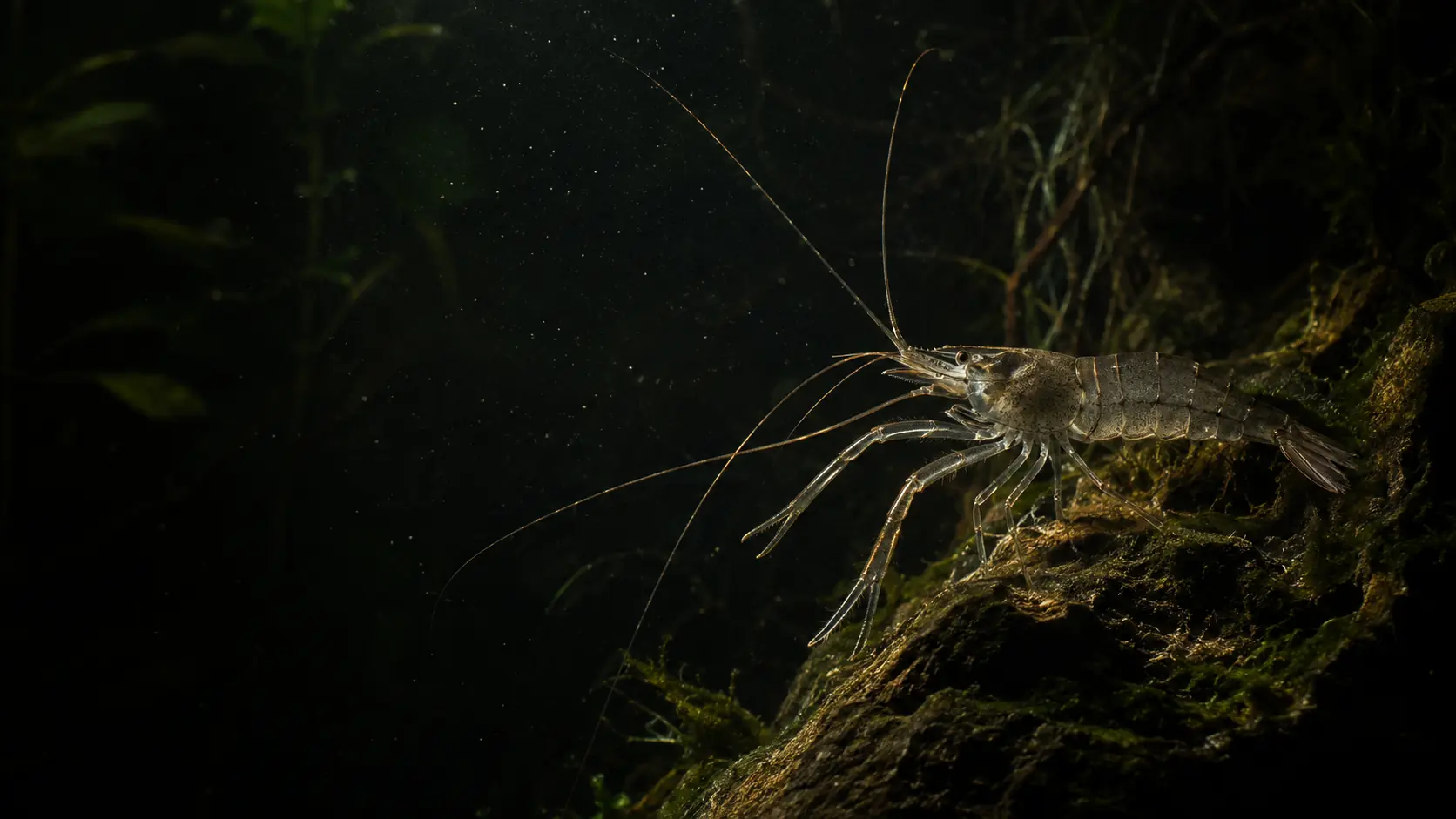
The work behind the systems
Why this
exists.
Introverted Invertebrates is shaped by the way I learned to build: clear, serviceable, and prepared for real conditions. But this page is not a résumé. It is an account of the convictions that govern the work—and of the lives that work exists to protect.
Conviction
Quiet, but firm.
To me, strength is endurance, discipline, protectiveness, and the ability to stand alone when a conviction requires it. But standing alone is not the same as refusing correction.
Strength is usually quiet. It means remaining present when leaving would be easier: explaining my position, listening carefully, debating honestly, and continuing when circumstances turn against me. The harder test is not deciding what I would die for. It is deciding what I will live by—and carrying that conviction through the long work it demands.
A conviction worth holding should survive honest challenge. If I am proven wrong, strength is not digging in. It is admitting the mistake, accepting what the evidence requires, and changing course without abandoning the duty that put me there in the first place.
Independence that isn't afraid of collaboration.
The boundary
Welfare before production.
Animal welfare is not a slogan or an afterthought. It is the boundary around the work.
I will not sell an animal into a tank I believe is unsafe. That includes animals intended as feeders. Predation may be their eventual end, but until then they are living creatures in someone's care. Growth, convenience, and profit do not outrank that responsibility.
I expect to make mistakes. I will not knowingly build cruelty into the model.
The animals are not components inside the system. They are the reason it exists.
The discipline of correction
Make the work answerable.
Reliable systems do not depend on confidence. They depend on work that can be checked.
Measurements should be recorded, assumptions named, changes documented, and failures preserved rather than explained away. Good records make it possible to see what happened; honest records make it possible to learn from it.
When something goes wrong, the first responsibility is to establish what happened—not protect pride. Correct the immediate risk. Separate what is known from what is assumed. Find the cause. Repair the process so the same failure is less likely to repeat.
A reversed RO connection, a damaged component, an unrecorded change, or a missed reading can waste material, time, energy, and morale. In a living system, the same kinds of errors can harm animals. Accountability is not perfection. It is the refusal to hide from consequences, and the discipline to make the next version safer.
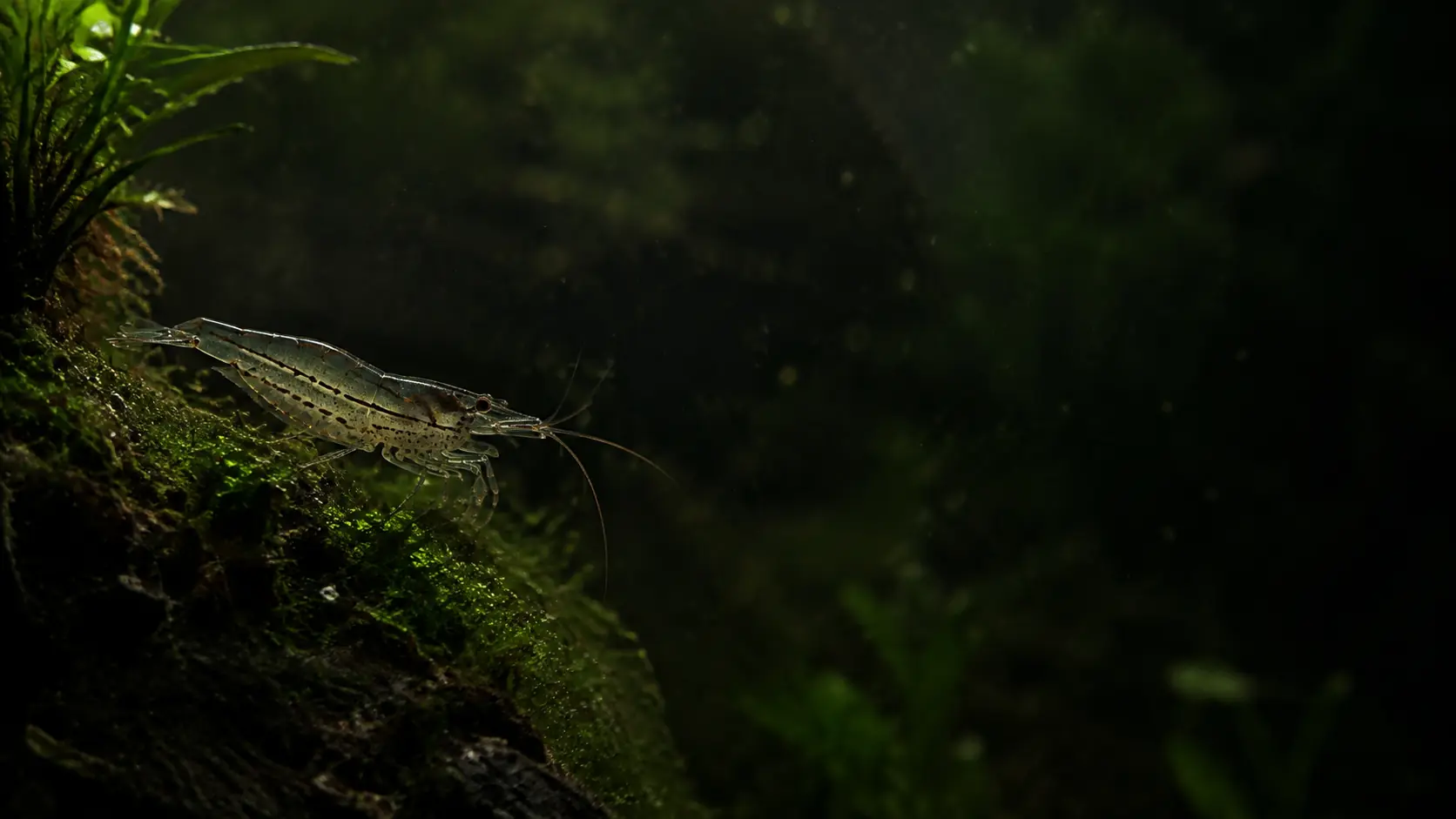
The calling
Give the animals a place to teach us.
Some of the most extraordinary animals in the aquarium trade remain poorly understood. Difficult life cycles are dismissed as impractical, while wild habitats still carry the cost when demand outruns captive husbandry and breeding.
Introverted Invertebrates exists to do the slower work: build safe systems, observe closely, record failure as carefully as success, and share what holds up. What began as curiosity became a responsibility: understand. Protect. Learn. Build.
I believe God gave me a systems-minded way of seeing the world, the endurance to carry difficult work through, and years in construction in which to learn leadership, sequencing, redundancy, and responsibility. This is where I believe those gifts are meant to be used.
I am not claiming credentials I have not earned, and becoming a scientist is not the point. My role is to give these animals a safe place to teach us; to observe honestly; to keep records others can examine; and to make what I learn useful to researchers, breeders, and keepers who can carry it farther.
Scientific scrutiny belongs on my observations. The animals themselves are not data points. They are living beings within God's creation.
The governing motif
From observation to stewardship.
Observe.Refine.Steward.
Observation reveals what is happening. Refinement turns that knowledge into better care. Stewardship gives both a purpose.
For me, stewardship begins with the belief that creation is not something I own without responsibility. The animals in my care are living beings I have been entrusted to look after well, even when the careful choice costs more or takes longer.
That responsibility becomes practical: cleaner systems, safer processes, better records, more reliable equipment, closer observation, and the humility to change course when the animals show that something is not working.
“The Lord God took the man and put him in the Garden of Eden to work it and take care of it.”
Teachability
Humility is not timidity.
I have not always been a humble man. I am still learning humility, and still building the faith and practice to go with it.
Humility does not require me to pretend I lack conviction. It requires me to accept that I do not see everything; to admit an error without hiding behind someone else's; and to change when evidence, conscience, or wise correction reveals I am wrong.
I can stand firmly and still listen. I can defend a principle and revise a conclusion. Being proven wrong is not surrendering the work. Refusing to learn would be.
For me, humility means walking in step with Christ rather than using certainty to protect my pride. I am still learning how. I believe God has been guiding me even when I did not recognize the direction.
Responsibility
Preparation is mine. Outcomes are God's.
I live and work in the physical world, and that is where my responsibility lies. If a storm reaches my home, the room needs backup systems. If a heat wave arrives, it needs emergency cooling. If equipment fails, the response cannot begin with surprise.
Preparation belongs to me. So do the conditions I create, the records I keep, the decisions I make, and the honesty of my response when something fails.
The outcome is not always mine. A hatch can fail when every measured parameter looks right. Sometimes the honest answer is that I do not know. Sometimes I must accept: not today.
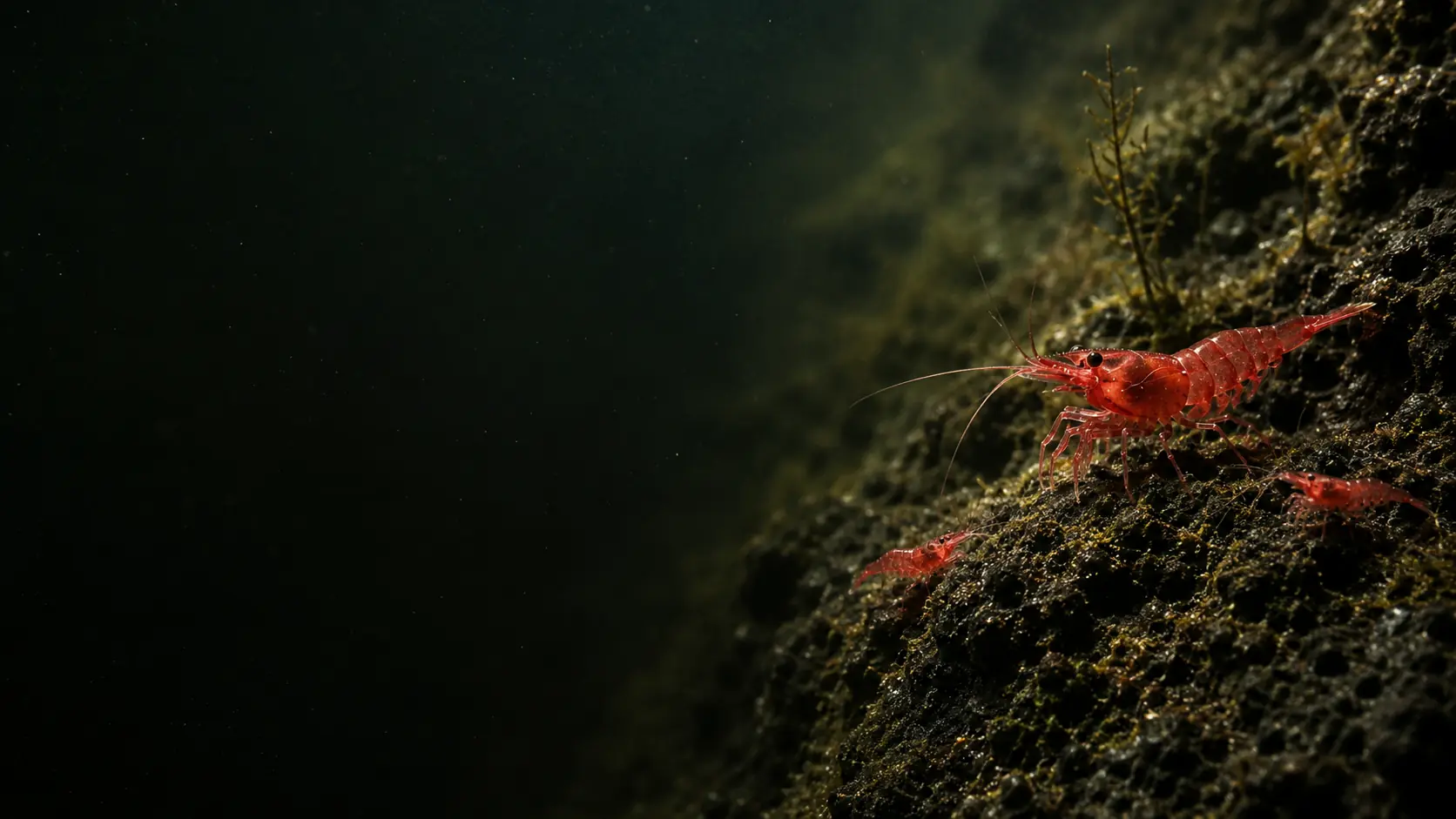
What comes next
Built for the long work.
Introverted Invertebrates is a working project, not a finished claim of expertise. There will always be another species to understand, another assumption to test, and another detail the animals can teach me.
I am not trying to begin this work. I have begun it. I intend to build it into something safer, clearer, more dependable, and worthy of the lives placed in my hands.
I will keep observing closely, refining what fails, telling the truth about what I do not yet understand, and sharing what the animals reveal.
The work is practical.
The responsibility is real.
And every improvement is another way of saying that these lives matter.