T-001
Bloody Mary
- Java moss
- Guppy grass
- Brazilian pennywort
- Tradescantia zebrina
- Cryptocoryne wendtii ‘Brown’
- Floating plant mix · identity unresolved
- Large Anubias · congensis/afzelii identity unresolved
Plants catalogue · Living inventory
The current submerged, floating, riparium, and companion plants recovered from the room records: what is present, where it is deployed, how it is being grown, and which names still need evidence.
Reference photographs show the recorded group or a named comparison—not the exact house specimen. Species and cultivar labels remain qualified wherever the plant record is incomplete.
Current tracker baseline · 2 September 2026
These placements mirror the room logger. “Unresolved” is retained deliberately where propagation, mixed floaters, or lost labels make a finer claim unreliable.
T-001
T-002
T-003
T-004
T-005
T-006
T-007
T-008
T-009
T-010
T-011
Submerged collection
Six working groups are tracked below. Trade names stay qualified wherever the room record does not support a species-level identification.
Submerged · Rhizome plant
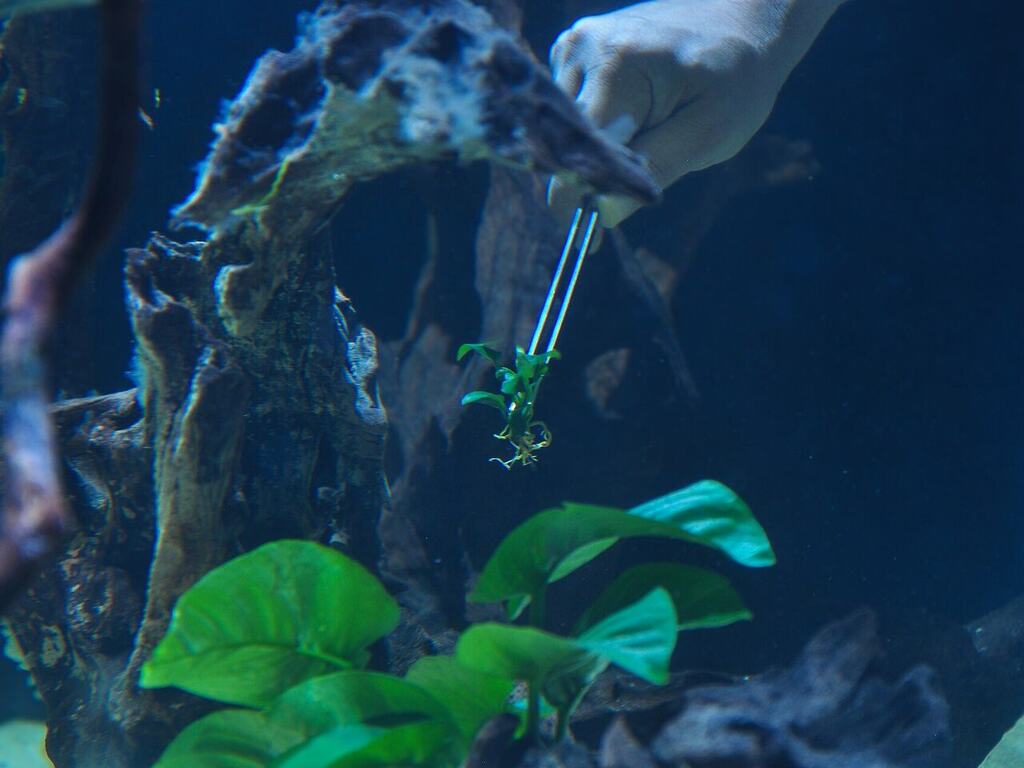
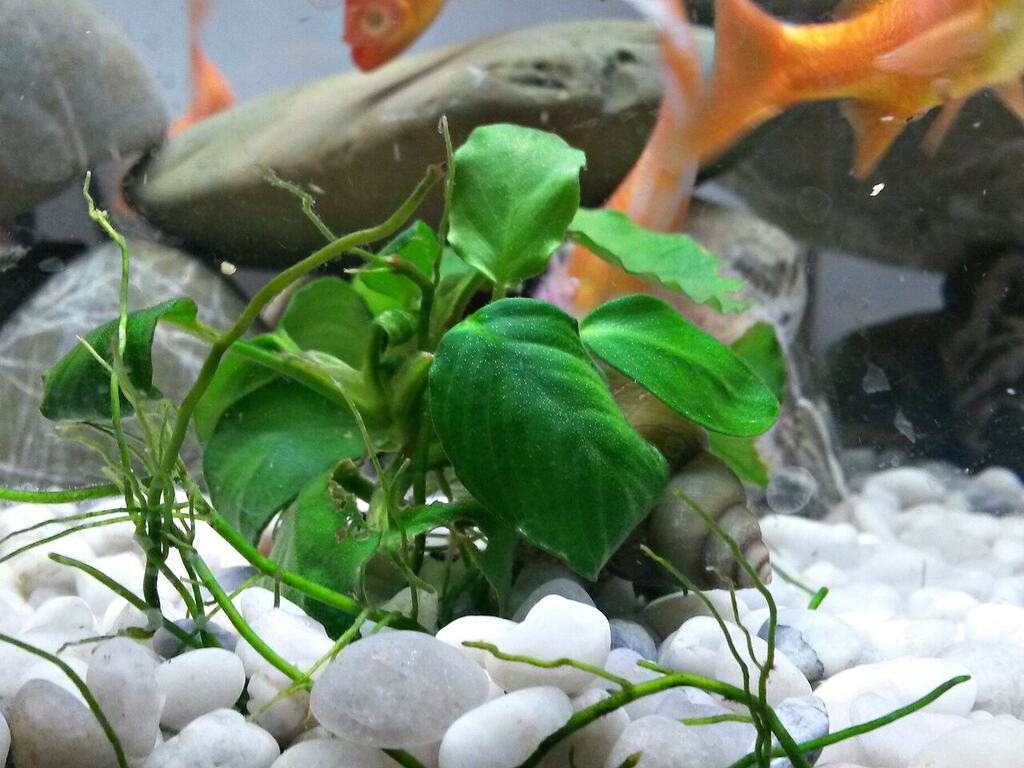
Anubias sp.Petite-type trade plants; exact species and cultivar not recorded
Slow-growing aroids used as mounted structure rather than rooted stems. The house record supports Anubias and a petite growth form, but not a defensible species or cultivar name yet.
Current record
Historical stock is confirmed, but the current individual placements are no longer traceable.
Deployment
Growing target
Room values describe the present operating environment. Provisional IDs do not receive invented species limits.
Roots may enter substrate or a mount, but the thick horizontal rhizome stays exposed. Burial raises the risk of softening and rot.
Because old leaves persist, algae and damage remain visible for a long time. Gentle cleaning and stable light matter more than forcing faster growth.
A label plus clear top, side, rhizome, and mature-leaf photographs would support a cultivar-level record. Petite appearance alone does not.
Submerged · Fern gametophyte
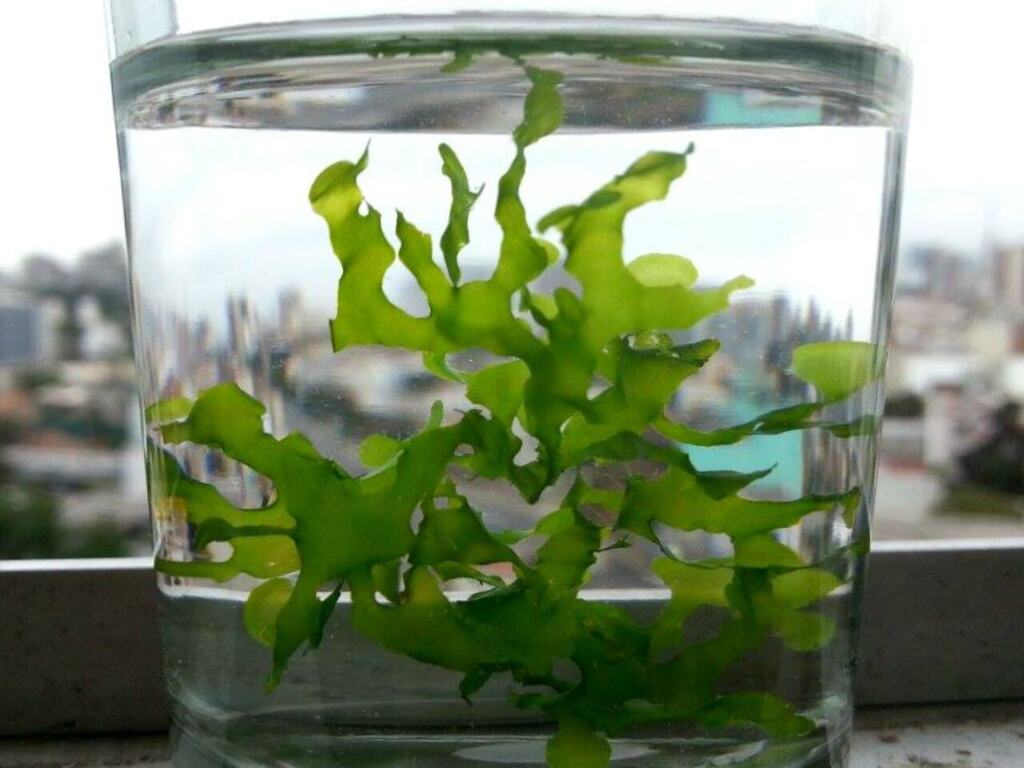
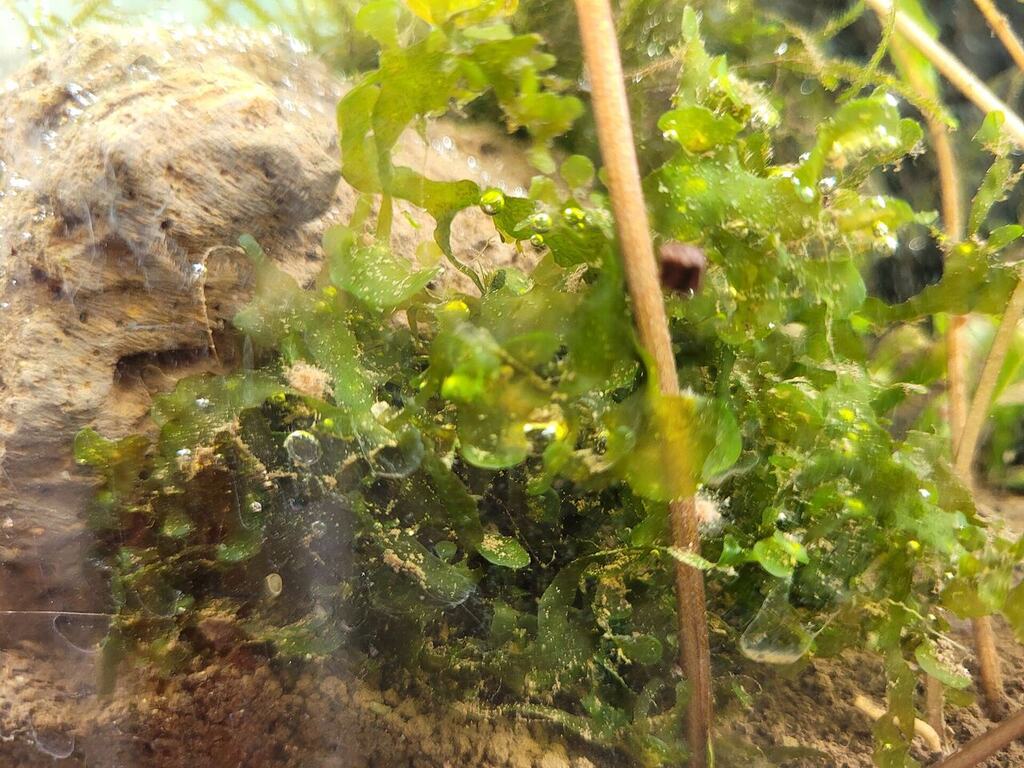
Lomariopsis cf. lineataAquarium gametophyte closely allied to L. lineata; not confirmed as that species sensu stricto
A ribbon-like fern gametophyte often mistaken for a moss or liverwort. It forms loose, branching cushions that trap fine food, provide shrimplet cover, and propagate readily from fragments.
Current record
Historical stock is confirmed; no current patch has been isolated well enough to assign a tank.
Deployment
Growing target
Room values describe the present operating environment. Provisional IDs do not receive invented species limits.
Molecular work places the aquarium plant inside Lomariopsis and close to L. lineata, while leaving room for a different species. The “cf.” is doing real work.
Loose folds create sheltered feeding area for young shrimp. Dense mats still need inspection so trapped food and detritus do not become stagnant pockets.
Tiny fragments travel on nets, plants, and hands. Treat every fragment as both viable plant material and a possible carrier of snails or eggs.
Submerged · Aquarium moss
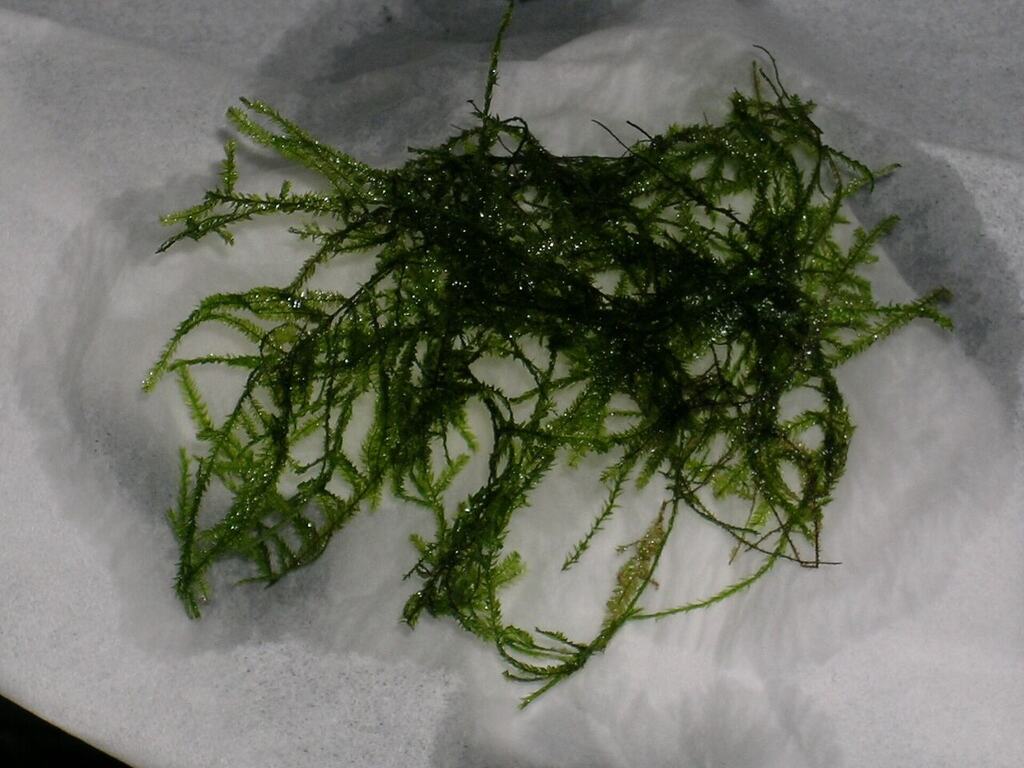
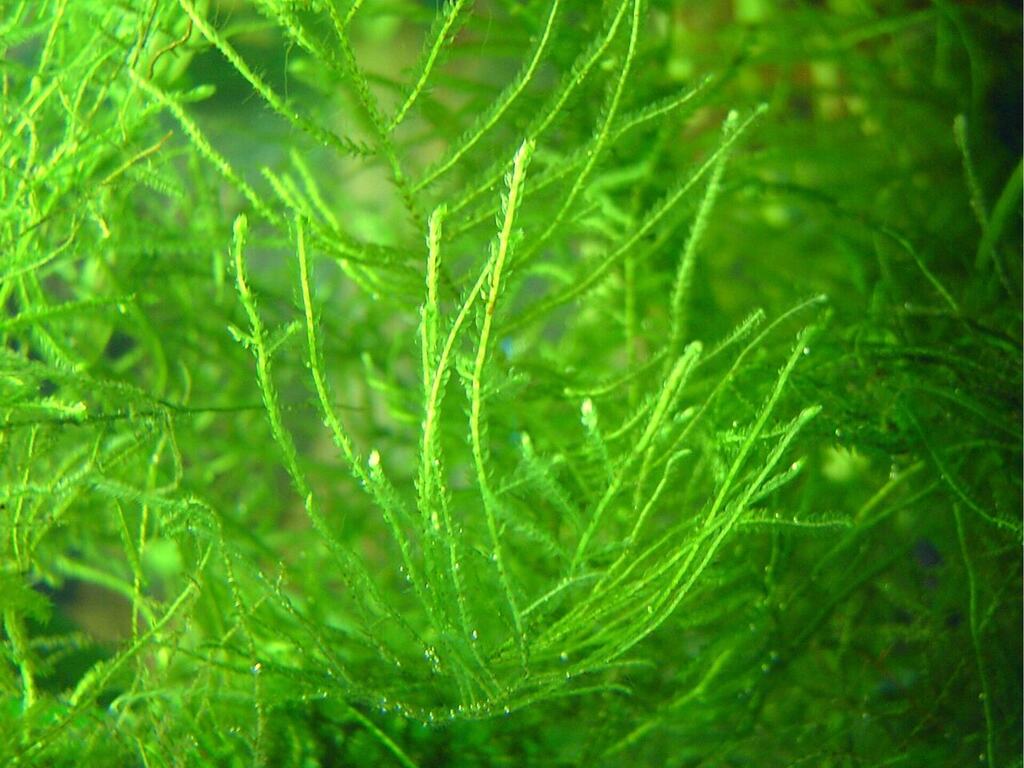
Taxiphyllum cf. barbieriTrade name; aquarium mosses sold as Java moss are not always verified botanically
A fine-branched aquarium moss that tolerates modest light and creates dense, grazeable cover. The house name is useful operationally, while the qualified scientific name prevents a seller label from becoming false certainty.
Current record
Established and propagated across T-001 through T-006.
Deployment
Growing target
Room values describe the present operating environment. Provisional IDs do not receive invented species limits.
Loose cuttings spread easily and can enter filters or other tanks. Trim over a catch container and remove fragments before they become untracked stock.
A moss mat can look clean while holding fine waste underneath. Lift, swish, and inspect portions as part of maintenance instead of relying on surface appearance.
Branch form changes with light and flow. A confident moss species ID generally needs microscopic leaf and cell characters, not a phone photograph alone.
Submerged · Fine stem plant
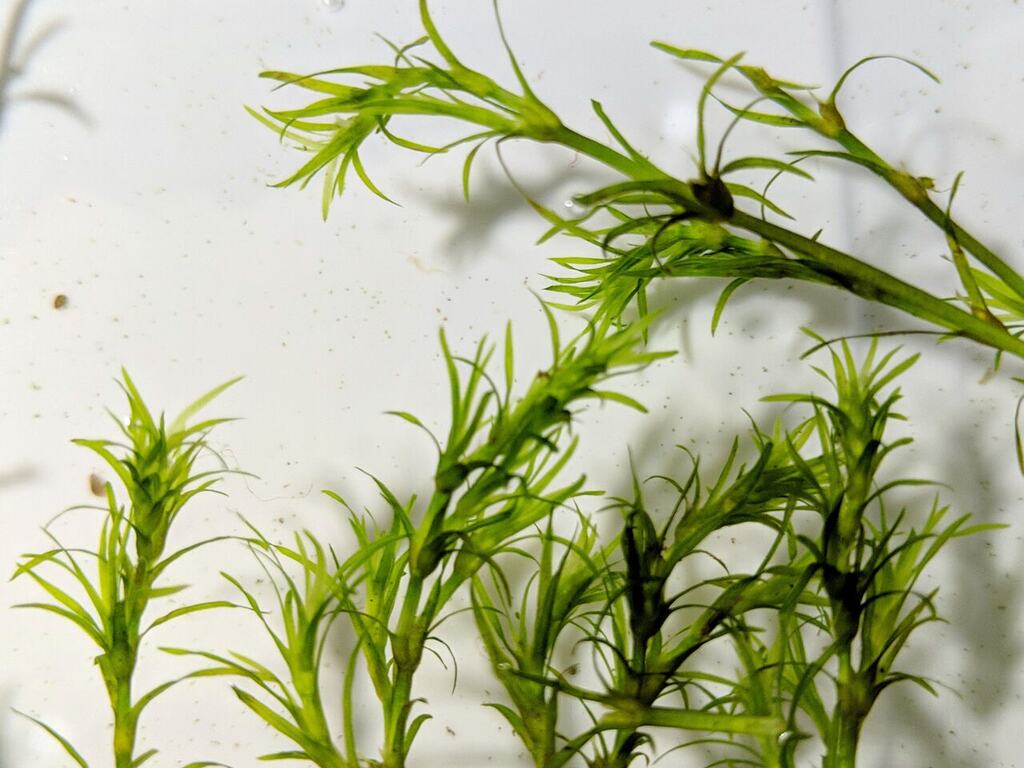
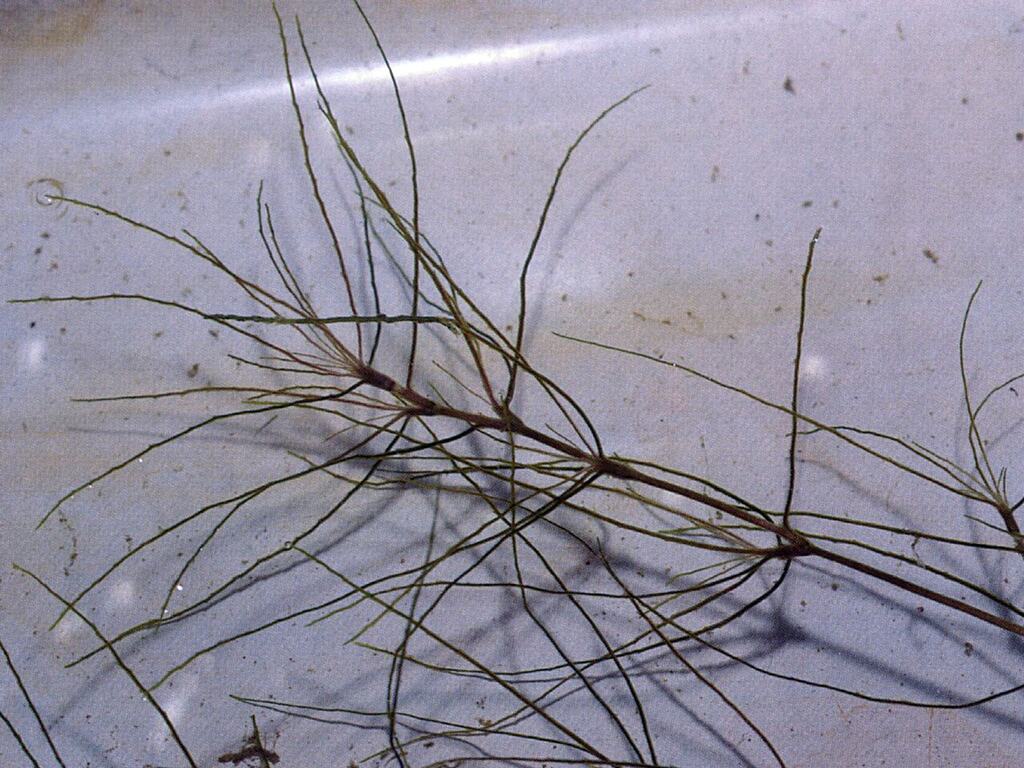
Najas cf. guadalupensisLikely southern waternymph; current stock has not been keyed from close characters
A brittle, highly branched submerged plant that can be left loose or lightly anchored. It creates immediate fine cover and can turn excess nutrients into harvestable plant mass when growth is kept open rather than compacted.
Current record
Current tracker placements are T-001, T-002, and T-003; density remains to be counted.
Deployment
Growing target
Room values describe the present operating environment. Provisional IDs do not receive invented species limits.
Handling creates viable fragments. That is useful for production and inconvenient for containment, so every water change can change the inventory.
Thin dense tangles before their shaded centre declines. Regular harvest exports nutrients and preserves flow through the remaining stems.
Close photographs of leaf bases, margins, tips, and flowers or fruit if present would support a real Najas key instead of relying on the guppy-grass trade name.
Submerged · Small-leaved stem plant
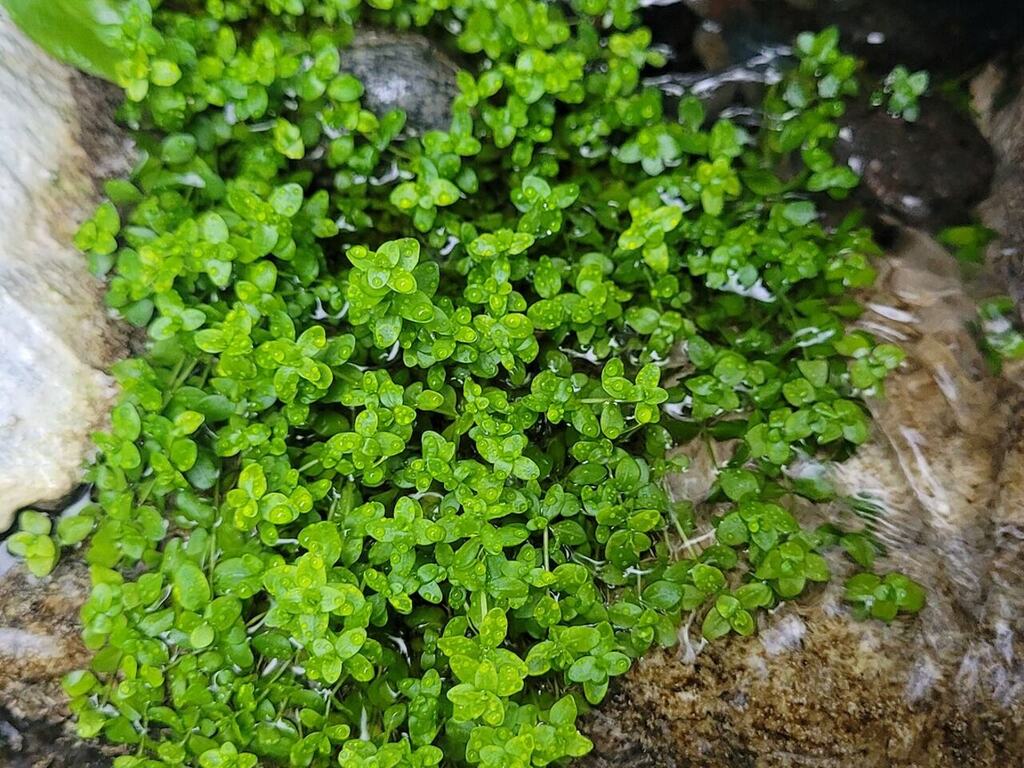
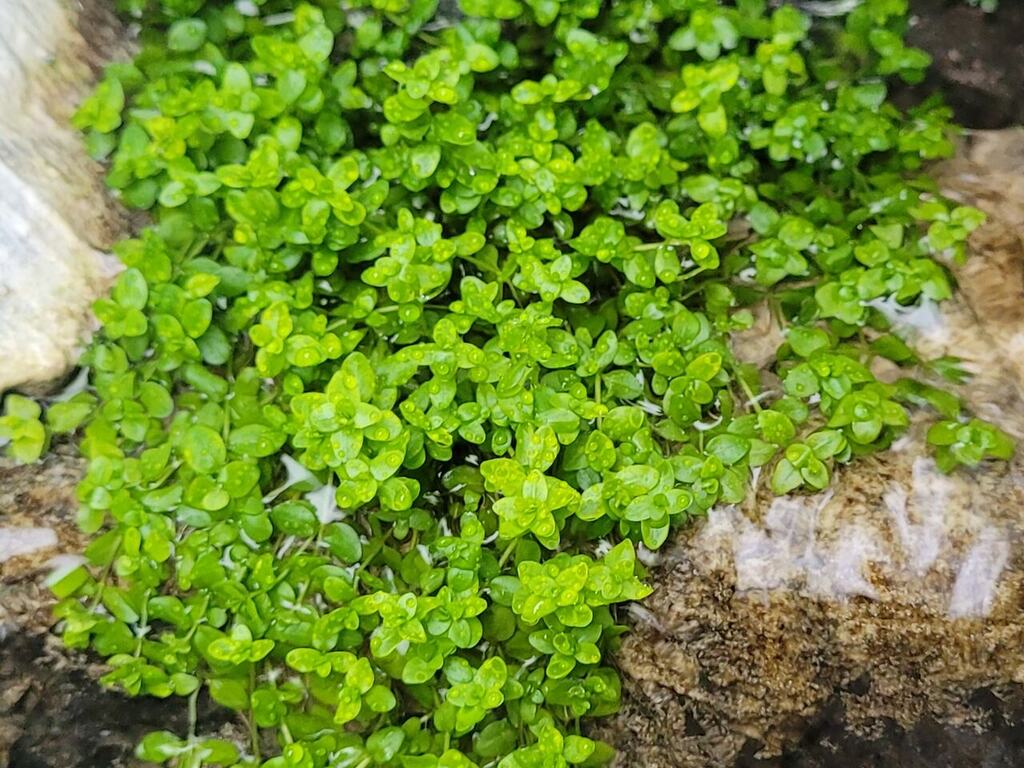
Micranthemum sp.Trade label; M. glomeratum and M. micranthemoides names are frequently conflated
A small-leaved stem plant being managed as planted growth, not as a floating mass. The current record intentionally stops at genus because “pearl weed” is used inconsistently in the aquarium trade.
Current record
Dense established growth is recorded in T-002, T-005, and T-006.
Deployment
Growing target
Room values describe the present operating environment. Provisional IDs do not receive invented species limits.
Planted and floated growth produce different form, access to light, and maintenance needs. The room's pearl weed portions are recorded as planted stock.
When bases shade or deteriorate, retain healthy tips and replant at sensible spacing rather than letting an old mat accumulate beneath itself.
The images show M. glomeratum as one common pearl-weed concept. They do not assign that species to the house plant without leaf, flower, and source evidence.
Submerged · Stem plant
Identification pendingRecovered deployment record did not preserve the plant name
This is a real stock record with a missing taxon, not a placeholder species. Keeping the deployment visible prevents the unnamed stems from disappearing from the inventory while photographs and source information are recovered.
Current record
Unresolved red and green stem-bundle material remains in T-003, T-004, and T-005; exact species and propagated counts are not claimed.
Deployment
Growing target
Room values describe the present operating environment. Provisional IDs do not receive invented species limits.
New growth shape, internode length, root formation, and response to current light are useful evidence. Avoid species-specific dosing advice until the plant is known.
A receipt, pot label, seller message, or original listing may resolve the name faster than appearance alone and should stay attached to the eventual record.
Include a ruler and neutral background. Aquarium magnification and wide-angle phone lenses make leaf size and spacing unreliable without scale.
Floating collection
The floating record is kept separate because surface access, dry leaf tops, and containment drive its care more than substrate placement.
Floating · Rosette plant
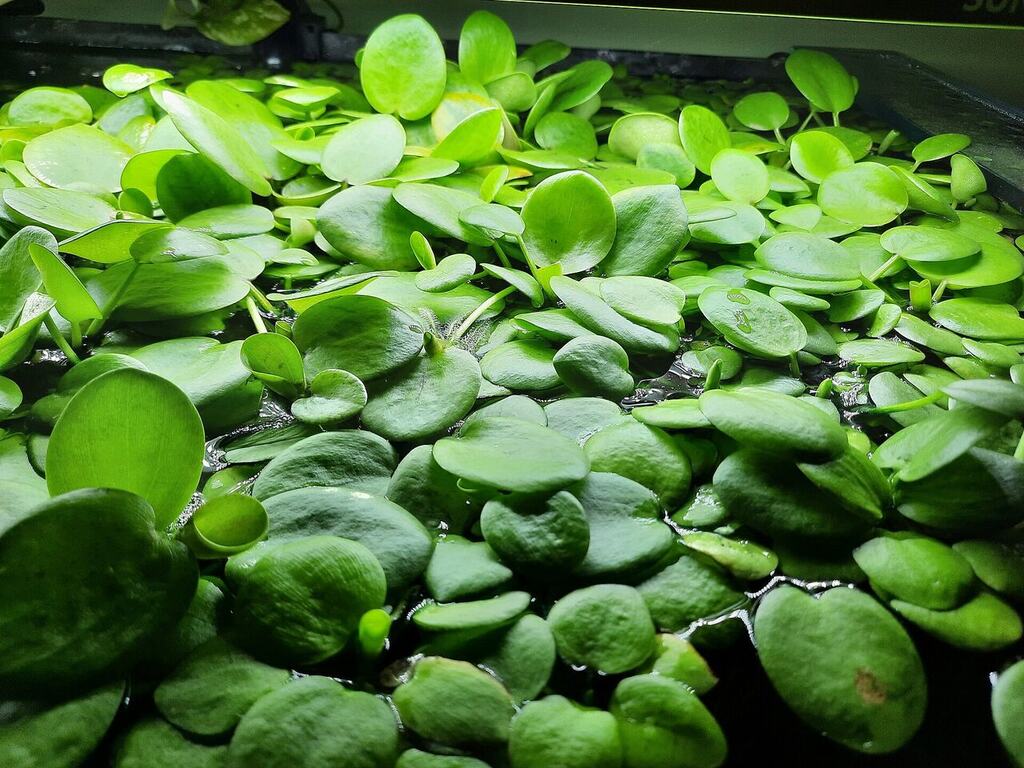
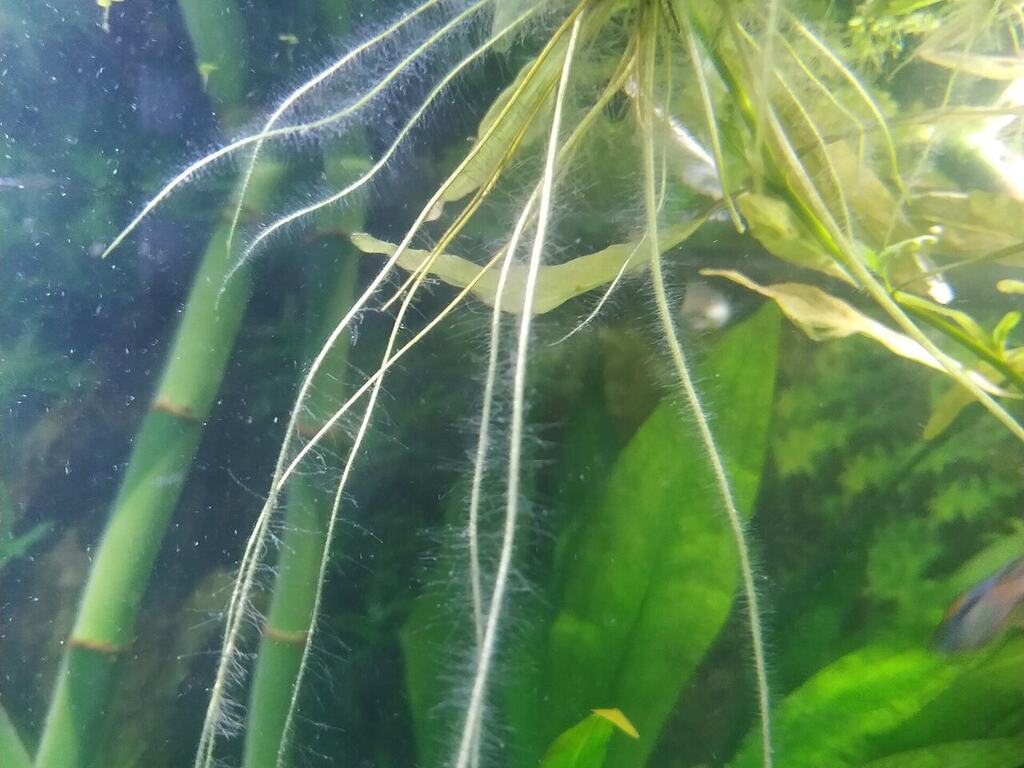
Hydrocharis laevigataWidely traded and recorded as Limnobium laevigatum
A free-floating rosette with long hanging roots that add shade, grazing surface, and vertical refuge. Current Kew taxonomy accepts Hydrocharis laevigata while the older Limnobium name remains common in aquarium records.
Current record
Confirmed stock has propagated and been redistributed; exact rosette lineage and current tank assignments are not defensible.
Deployment
Growing target
Room values describe the present operating environment. Provisional IDs do not receive invented species limits.
Persistent splashing and lid condensation can damage floating leaves. Preserve some calm, open surface instead of packing rosettes under wet glass.
Hanging roots gather biofilm and suspended food while giving small shrimp vertical structure. Thin plants without stripping every root zone at once.
Fast floaters leave a system on nets, buckets, and discarded water. Excess is dried or otherwise contained—never released outdoors.
Riparium and companion collection
Emergent and terrestrial plants are included without pretending they are submerged aquatics. Crown position, adult scale, and traceable cuttings matter here.
Riparium · Emergent aroid
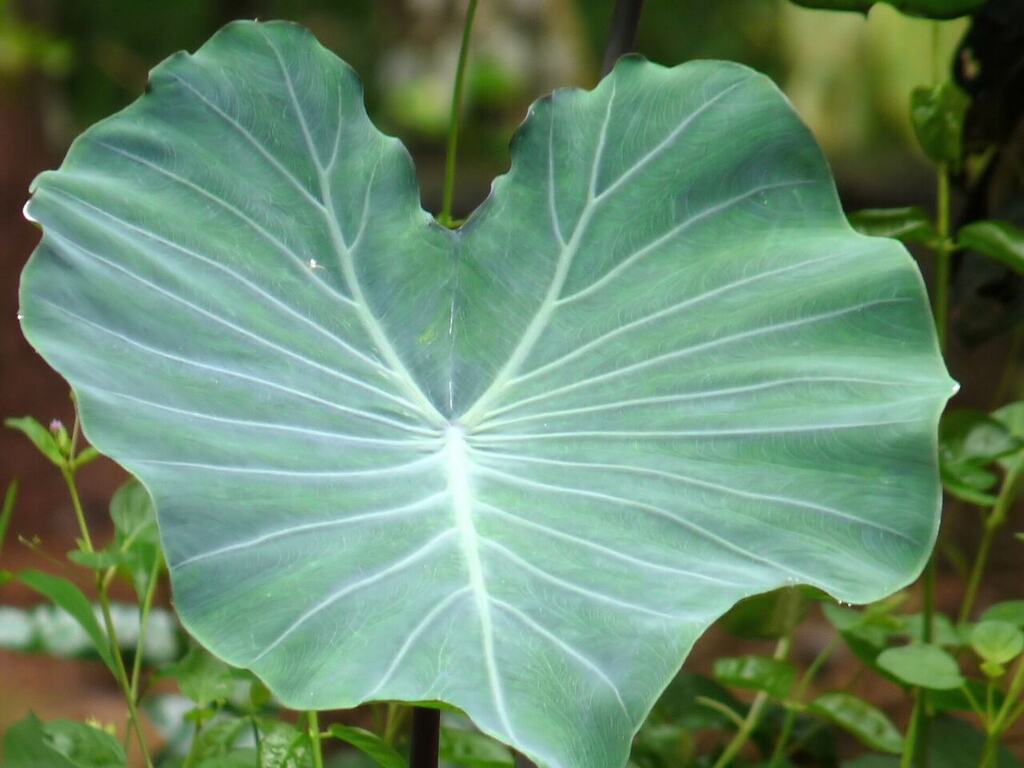
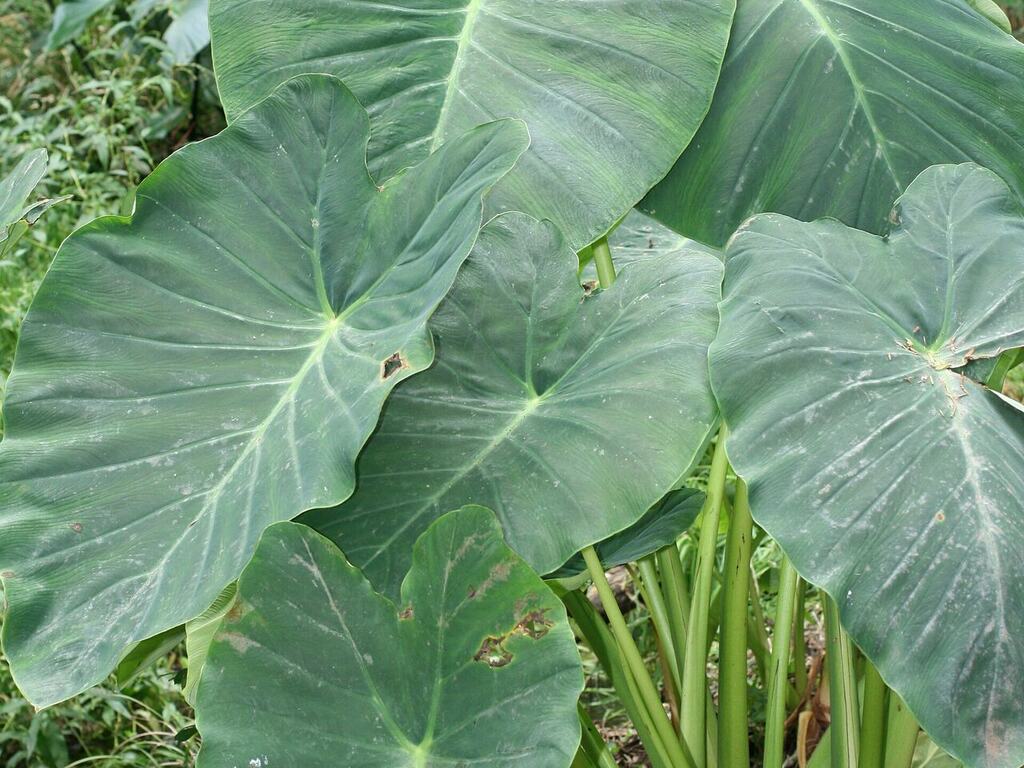
Colocasia sp.C. esculenta is a plausible cultivated group, not a confirmed house species
A large emergent aroid retained in T-006 with roots in the wet zone and foliage in air. Its roots are deliberately trimmed and maintained while the plant is allowed to grow.
Current record
One current shrimp-tank placement is confirmed in T-006. The former T-002 and T-003 placements had ended by September 8, 2026.
Deployment
Growing target
Room values describe the present operating environment. Provisional IDs do not receive invented species limits.
A wet root system is not the same as a submerged crown. Mounting must keep the growth point ventilated and above the normal and emergency waterline.
Even a small start can outgrow a tank edge and shade lights. Support, clearance, and access for maintenance belong in the deployment plan.
Colocasia tissues contain irritating calcium oxalate crystals. Wear gloves for cuts and keep plant debris away from mouths, eyes, children, and pets.
Riparium · Emergent cutting
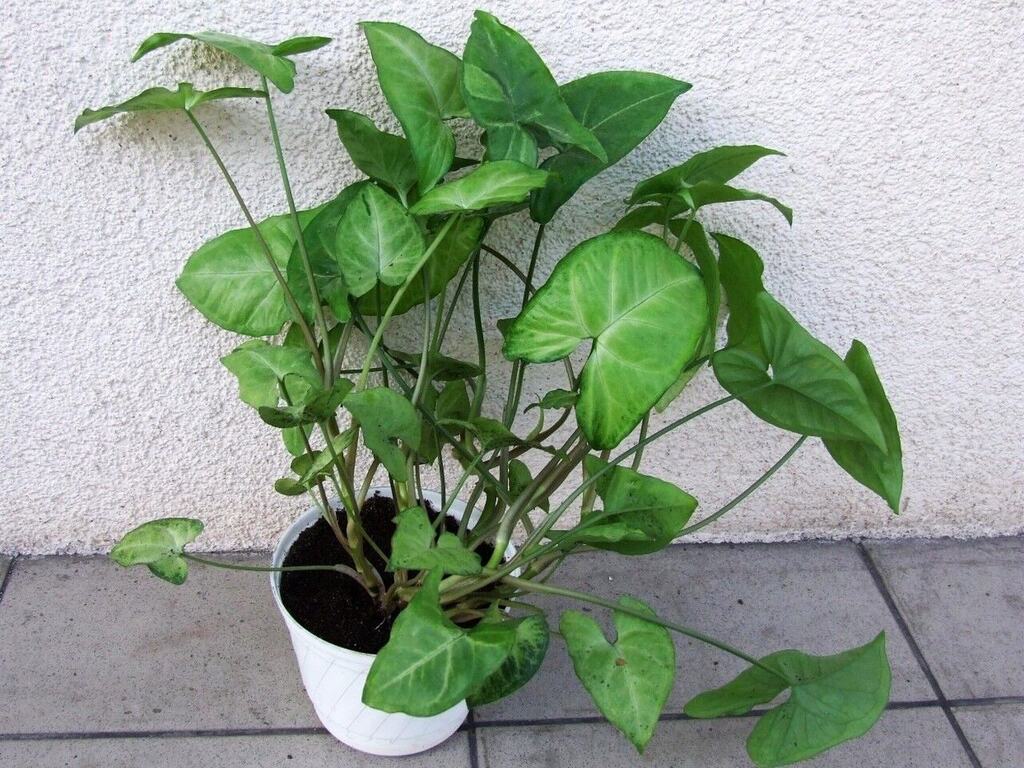
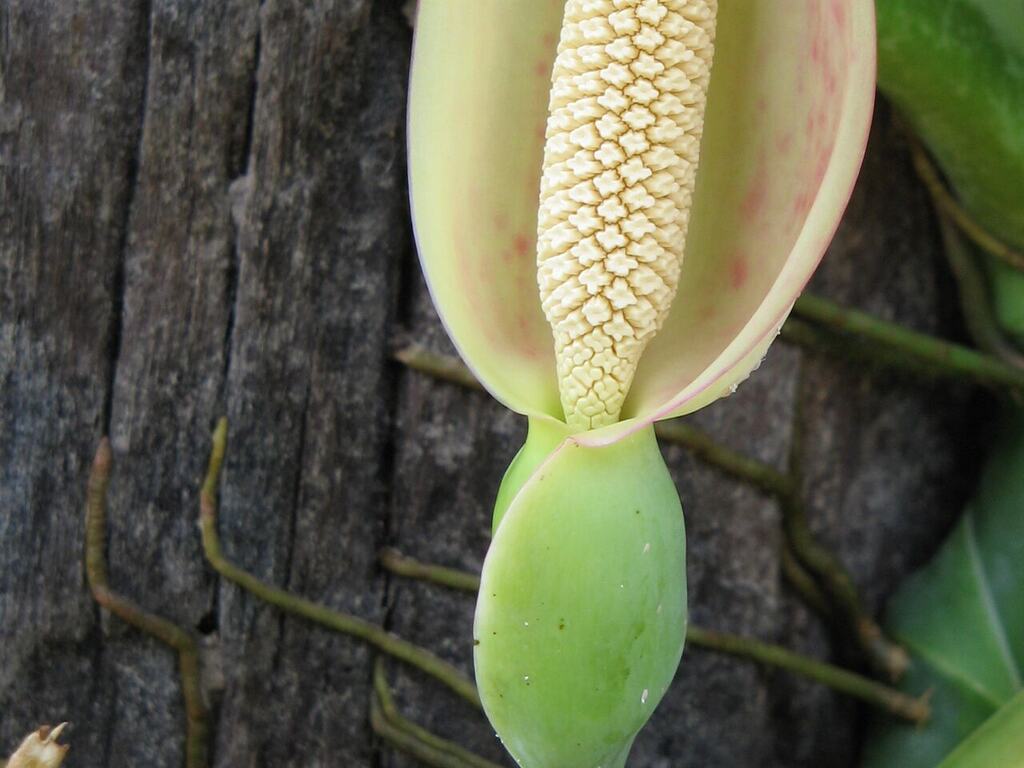
Syngonium cf. podophyllum ‘Salmon’‘Salmon’ is the retained house label; cultivar identity is not independently verified
An arrowhead-vine cutting with roots developing in aquarium water and its node held above the waterline. The record preserves the supplied ‘Salmon’ name without pretending that colour alone confirms a cultivar.
Current record
A historical house cutting is documented, but it is not present in the current per-tank tracker inventory.
Deployment
Growing target
Room values describe the present operating environment. Provisional IDs do not receive invented species limits.
Roots may stay wet while the node and foliage remain ventilated. Submerging the whole cutting converts an emergent setup into a rot test.
Light, age, and nutrition shift pink and salmon tones. A supplier label or traceable mother plant is needed before promoting ‘Salmon’ beyond a house label.
Syngonium sap can irritate skin and contains calcium oxalate. Wash after pruning and keep cut material contained.
Riparium · Emergent rhizome
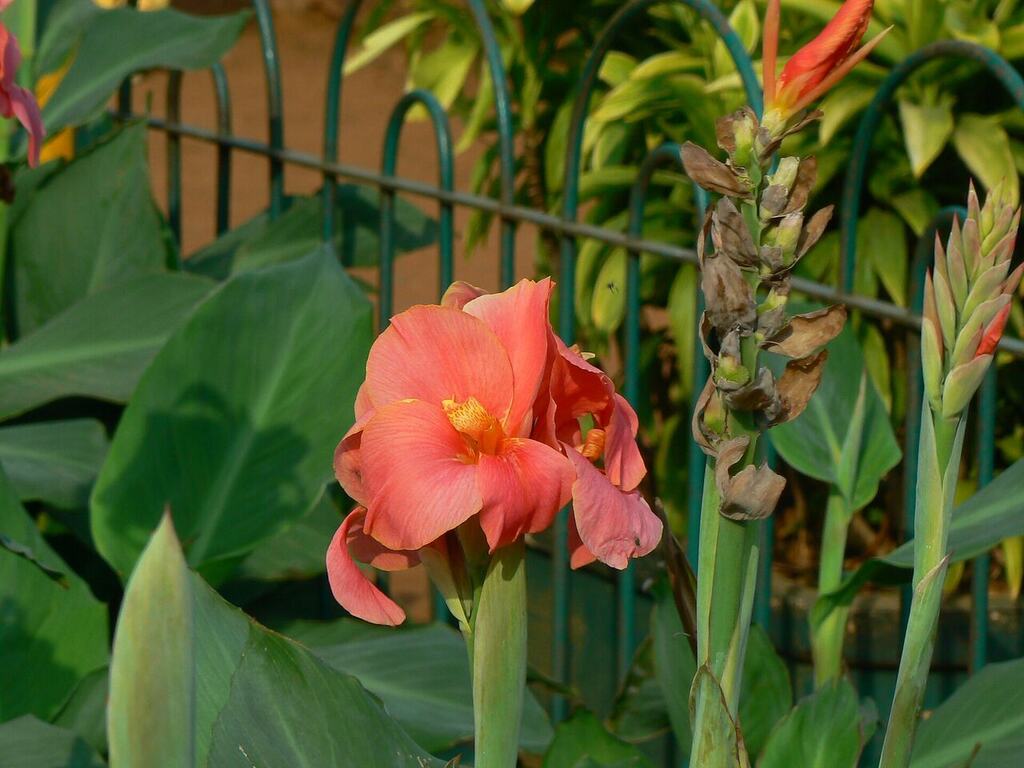
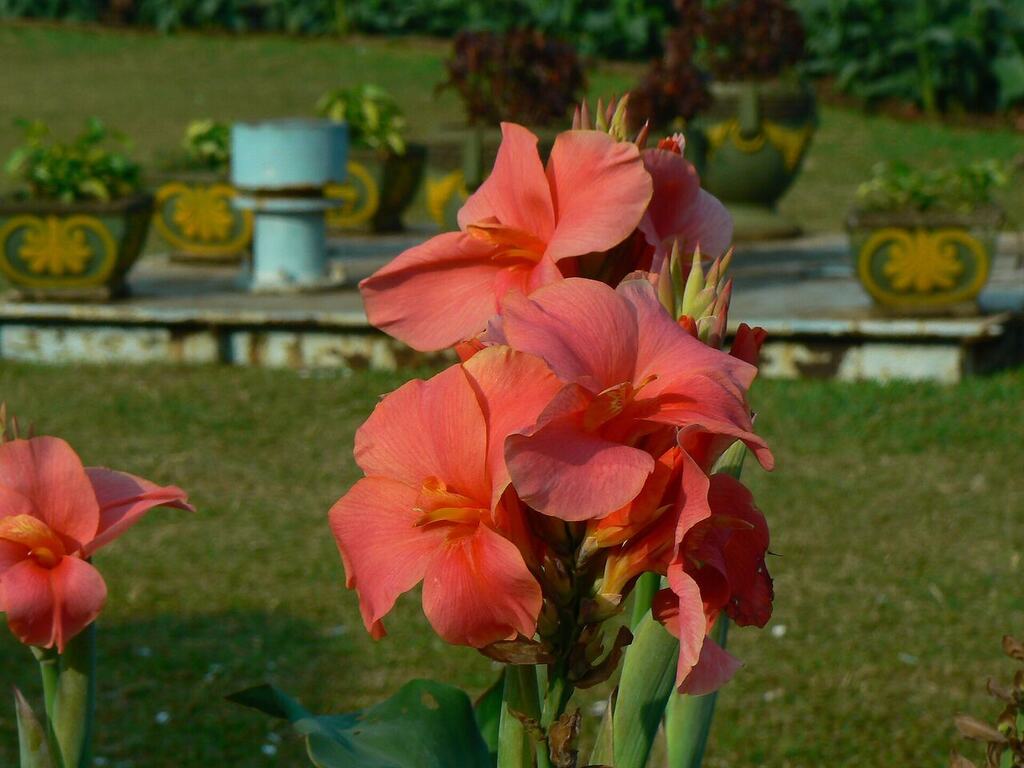
Canna sp.Species and cultivar not recorded; C. indica images are reference forms only
A vigorous emergent rhizome plant being tested with roots in water and the crown kept dry. The genus record is secure enough for operations; flower and leaf characters are still needed for a finer name.
Current record
One mature emergent Canna is currently recorded in T-005; leaf damage is being observed.
Deployment
Growing target
Room values describe the present operating environment. Provisional IDs do not receive invented species limits.
Healthy white roots do not excuse a soft crown. Inspect the transition zone regularly and correct mounts before water reaches the rhizome.
Rapid emergent growth can export nutrients, but mature canna also demands space, light, and structural support. Pruning access must remain practical.
Full plant, leaf, rhizome, and especially flower photographs can narrow the Canna ID. Until then, C. indica remains a photo reference—not the house name.
Riparium · Emergent perennial
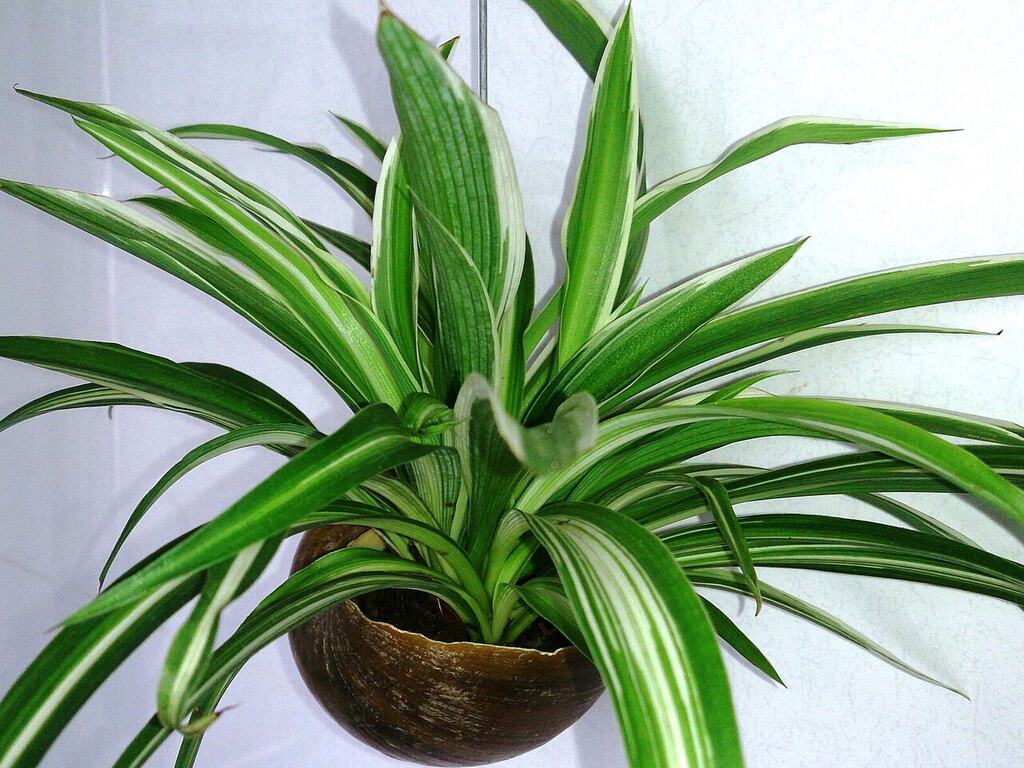
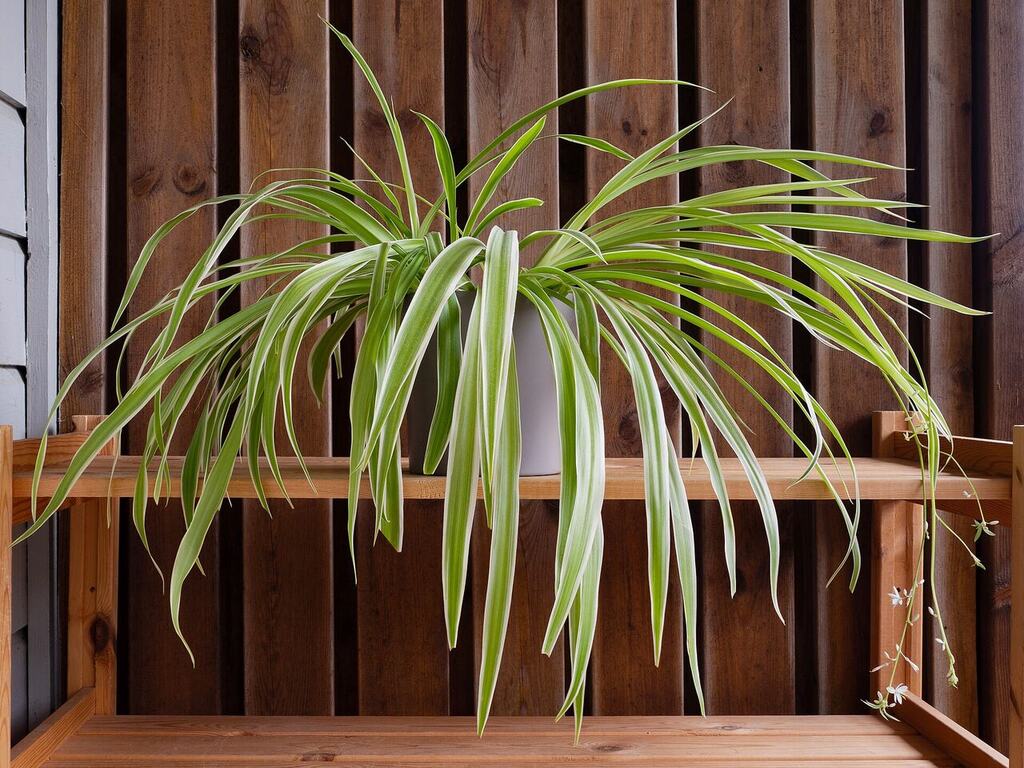
Chlorophytum comosum
A tough emergent perennial with fleshy roots and arching foliage. It can use aquarium water as a root zone while its crown and leaves stay in air, making it useful at a small household system without treating it as a submerged aquatic plant.
Current record
A historical household plant is documented, but it is not present in the current tracker inventory.
Deployment
Growing target
Room values describe the present operating environment. Provisional IDs do not receive invented species limits.
Roots may adapt to water, but the crown and foliage are not meant to live submerged. The mount should make that distinction physically obvious.
Soil-grown roots may die back while water-adapted roots form. Remove decaying material in stages and protect water quality during the transition.
Runner plantlets are easy propagation units. Record the mother plant and destination so distributed starts remain part of the living inventory.
Terrestrial · Companion record
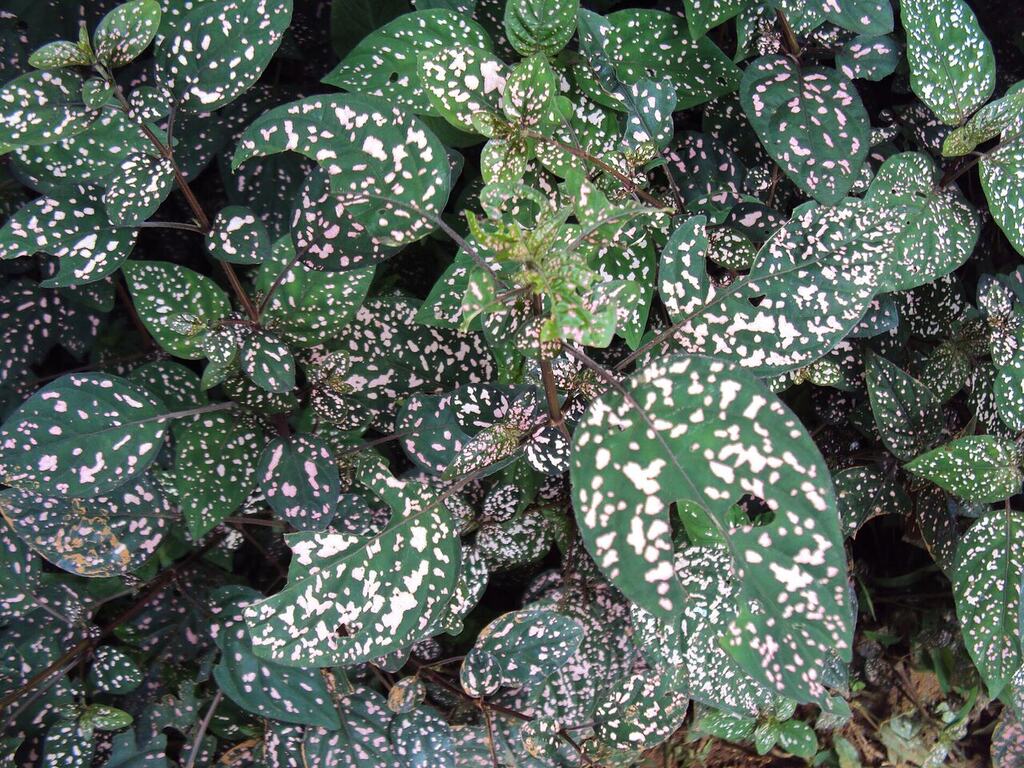
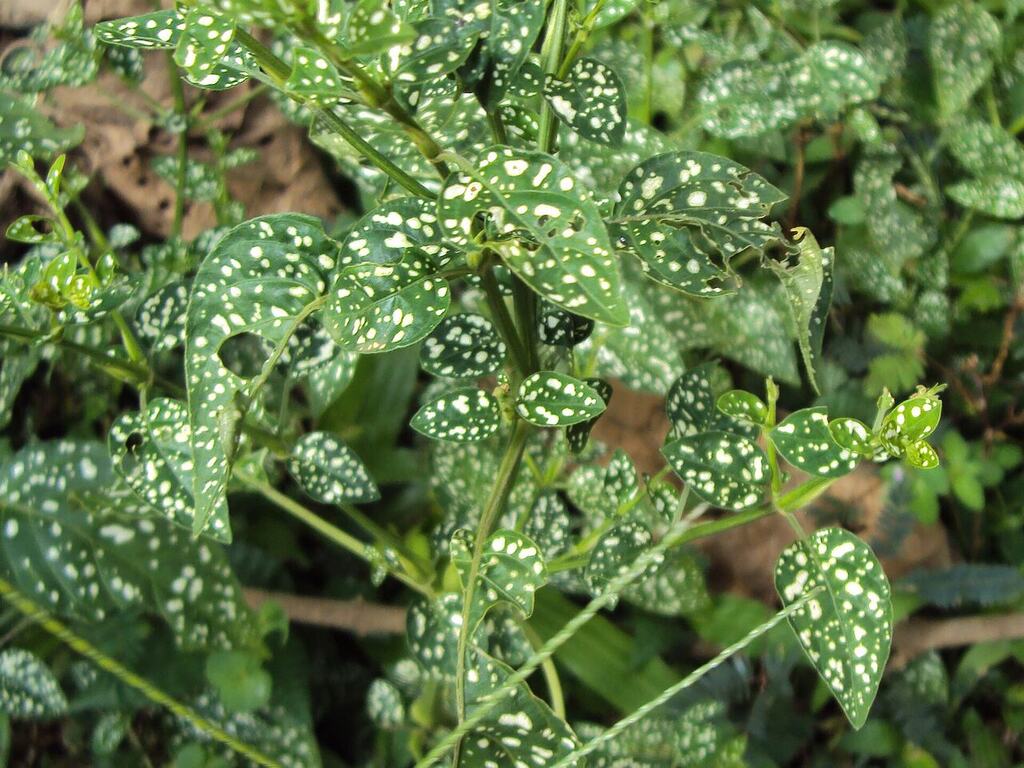
Hypoestes phyllostachya
A rooted terrestrial foliage plant retained in the plant inventory because it is physically present, while clearly separated from the submerged and riparium production records. It is not counted as aquarium filtration.
Current record
One pink-spotted or pink-rimmed emergent polka dot plant is currently recorded in T-006; no cultivar is claimed.
Deployment
Growing target
Room values describe the present operating environment. Provisional IDs do not receive invented species limits.
This plant belongs on the current inventory, but not in claims about submerged cover, shrimp refuge, or nutrient export from aquarium water.
Polka dot plants prefer consistent moisture with air at the roots. A flooded pot or submerged stem base invites decline.
Pink, white, red, and mixed forms are common. A simple whole-plant and leaf photograph will convert the current generic colour record into a useful house entry.
How to read this catalogue
Anubias, Java moss, pearl weed, guppy grass, Syngonium ‘Salmon’, and canna remain at the strongest rank supported by the room record. Familiarity is not evidence.
Planted versus floated, crown dry versus submerged, and the exact destination tank all change how a plant behaves. Those details belong beside the name, not in somebody's memory.
Plants can carry snails, eggs, algae, pathogens, and viable fragments. Material is inspected between systems and never released outdoors.
All photographs were locally resized and centre-cropped. The linked originals retain full file and licence details.


_in_the_Philippines_04.jpg)


_01.jpg)
_00.jpg)


.jpg)
.jpg)
_1.jpg)


